Practical course
Power-to-X-Demoversuch
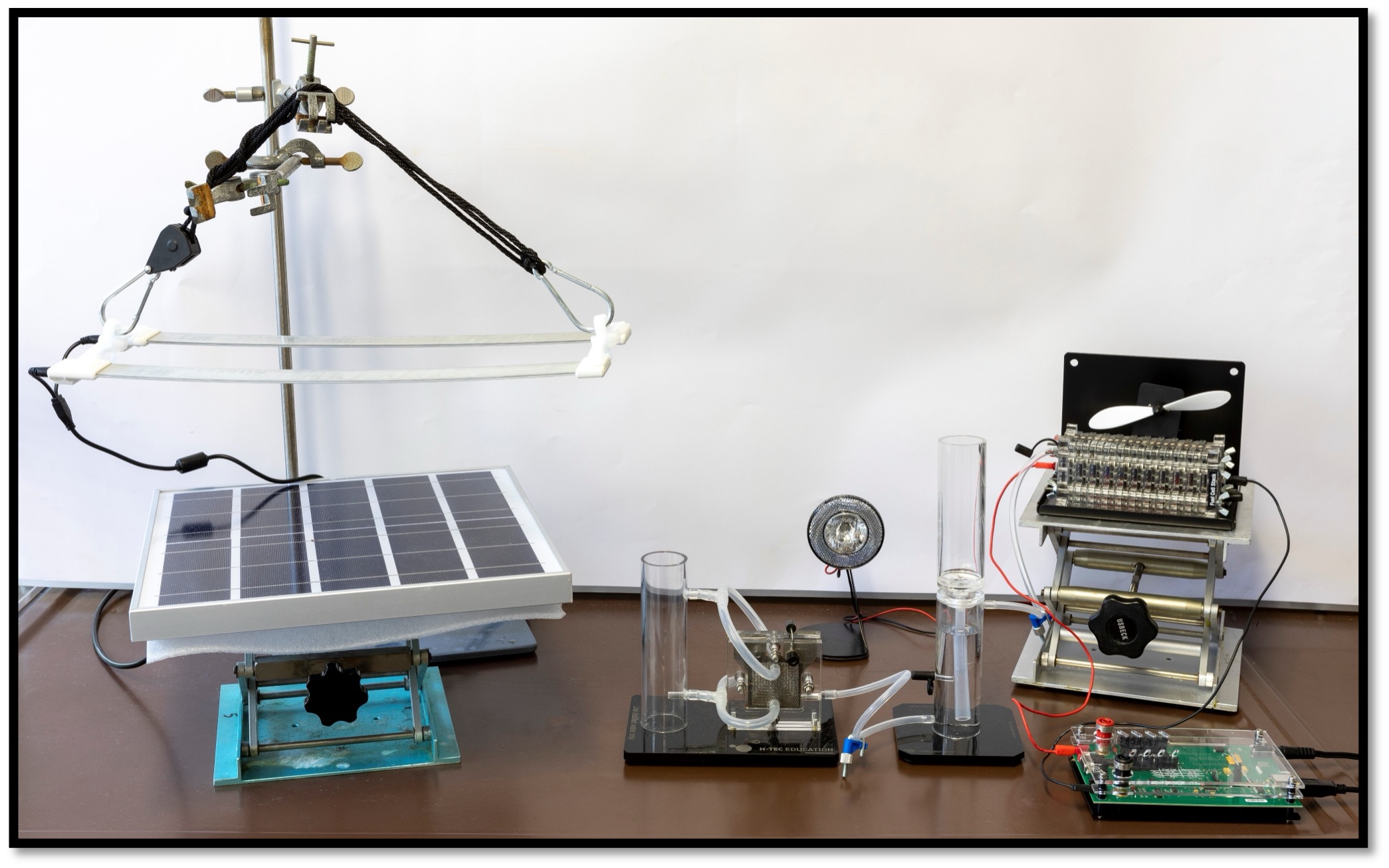
In this lab course, which accompanies the Power-to-X Technologies lecture, you will have the opportunity to practically examine and evaluate this energy conversion process chain. Thereby you should achieve the following educational objectives:
- You should understand the Power-to-X energy conversion concept
- You should be able to evaluate Power-to-X technologies
- You should recognise fundamental chemical and technical concepts and connect them with applications in the field of Power-to-X
NachErz - NREL Autoklav
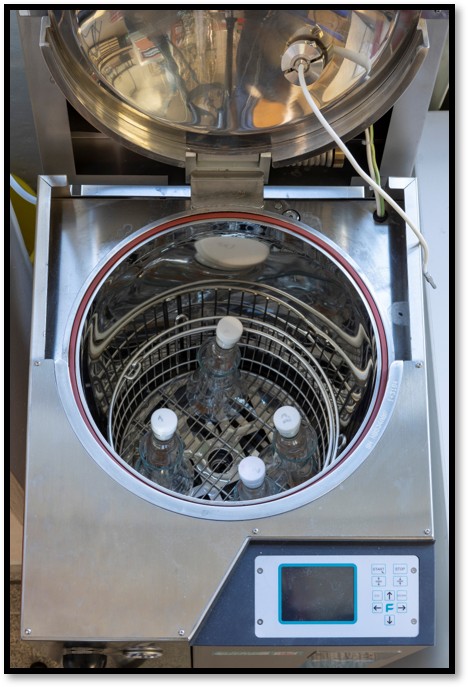
During the lab course you will perform analytical characterisation of a biomass sample to determinate its composition. To this end you will apply a standardized method developed by the National Renewable Energy Laboratory (NREL) of the U.S. Department of Energy.
Through this experiment, you will get insights into the day-to-day work of our research group and participate in the development of new sustainable processes to produce platform chemicals. You will learn how biomass characterisation is performed and you will evaluate, which chemical processes the analysed substrates are suitable for.
Industrial homogeneous catalysis
In the lab course you will study the differences between homogeneous and heterogeneous catalysis using the example of an esterification reaction. You will specifically evaluate the catalyst recovery and reaction rates of the esterification of ethanol and acetic acid that is catalyzed homogeneously (PTSA, p-Toluenesulfonic acid) and heterogeneously (Amberlyst 15).
Through this experiment, you will gain firsthand experience of the different characteristics of homogenous vs. heterogeneous catalysis. Additionally, you will learn how to analyze reaction solutions, test catalysts experimentally, and assess chemical processes based on typical performance parameters, such as yield, selectivity, and conversion
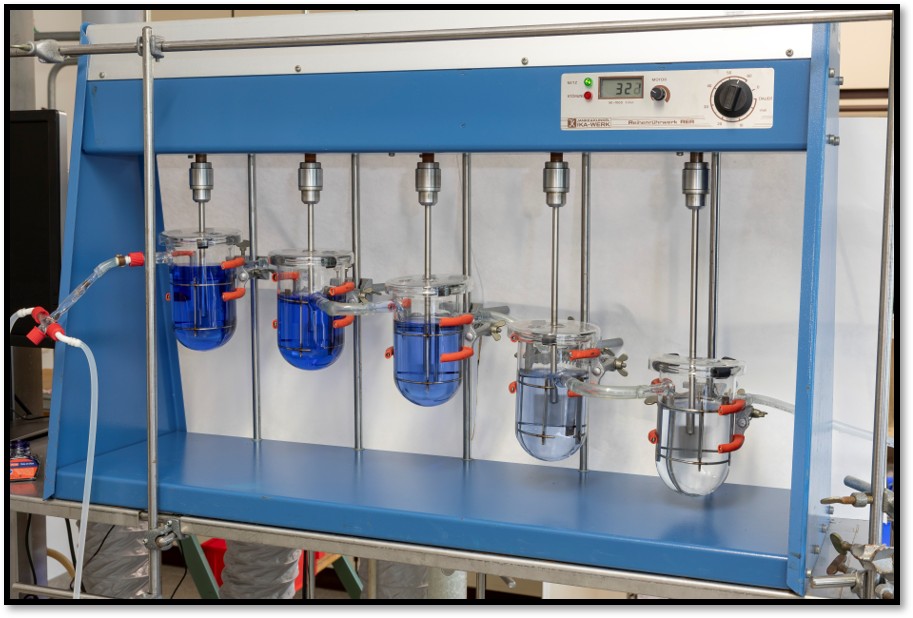
Stirred reactor cascade
This practical course is designed to learn about mixing properties in chemical reactions and the importance of dwell time as parameter. It is a description for efficiency of processes in continuously operated reactors.