Fachbereich Chemie
FachbereichChemie
Foto: SC
23. Januar 2026, von Yaser Hashem

Foto: privat
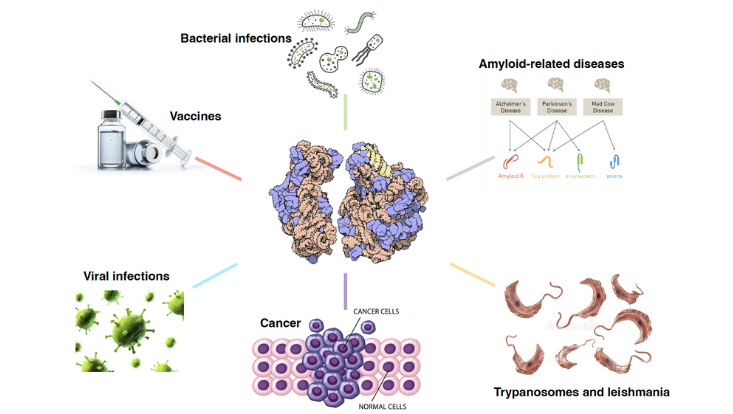
mRNA translation is the cell’s way of turning genetic instructions into proteins. Most protein-making happens in the cytosol, but a small, vital portion occurs in mitochondria. Although translation is broadly similar across eukaryotes, there are important species-specific differences—especially in mitochondrial translation and in some details of cytosolic translation—that we don’t fully understand. This project will use structural and molecular biology tools to study those species-specific features in mammals and in disease-causing kinetoplastid parasites (e.g., trypanosomes). It has three main aims:
1. Figure out what parasite-specific translation proteins do and test whether they can be targeted by drugs.
2. Examine how mitochondrial protein-making differs between parasite life stages (blood vs. insect) to find parasite-only vulnerabilities.
3. Investigate how ribosomes find the start codon in cytosolic mRNAs—comparing natural and modified RNAs—and how this process is disrupted in colorectal cancer when a ribosomal RNA modification is missing.
Overall, the work should improve understanding of species-specific translation and point to new therapies for infections, cancer, and better mRNA-based vaccines.